
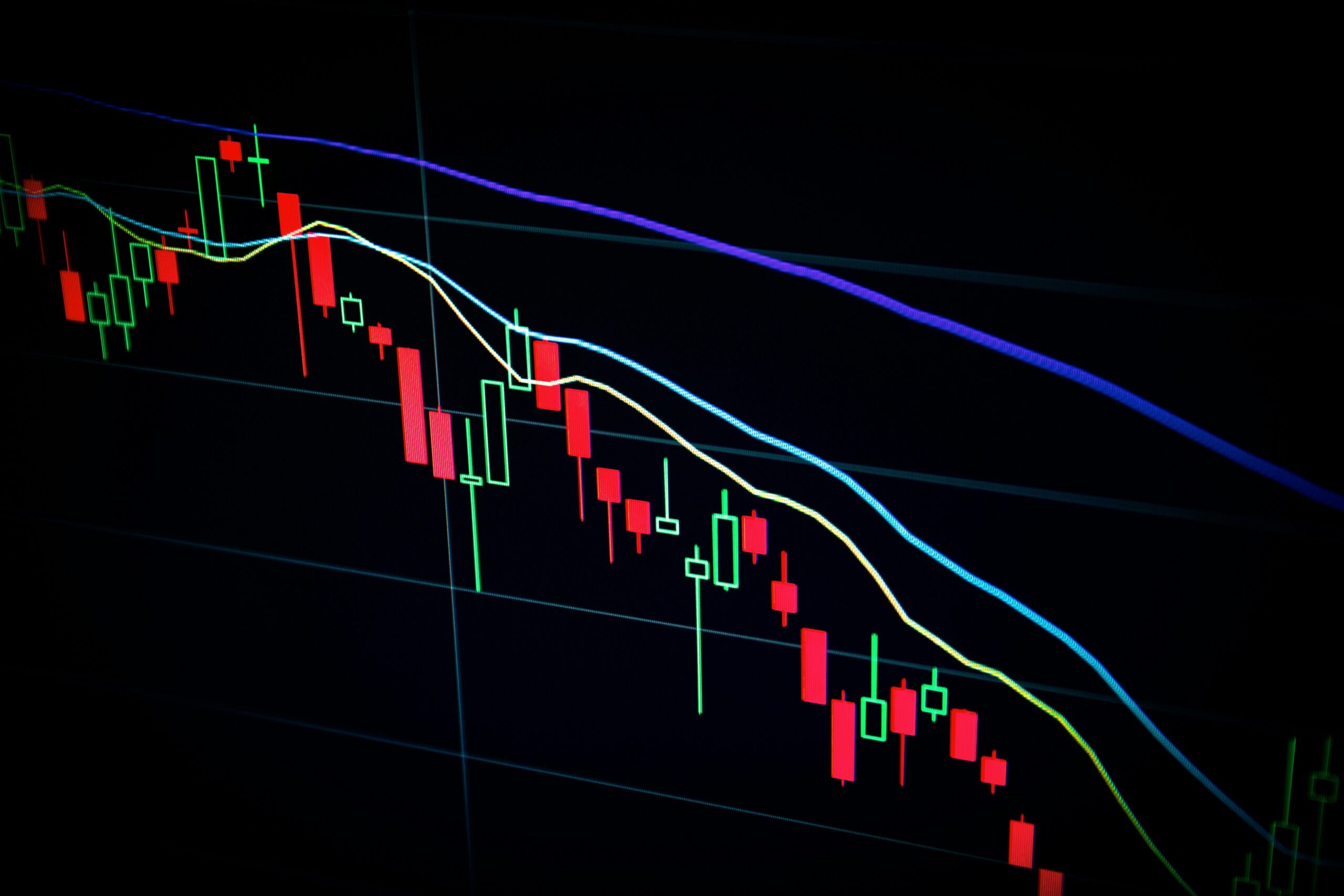
Opening your investment account and seeing your portfolio down by 10% can feel like a punch in the gut. For salaried professionals, who rely on steady income and disciplined investing to build wealth, such a dip often sparks anxiety. But here’s the truth: market corrections are not unusual. They are part of the rhythm of investing. The real challenge is not the fall itself, but how you respond to it.
This blog explores why portfolios dip, how salaried investors should react, and how to turn volatility into opportunity.
Why Portfolios Dip
Markets are influenced by countless factors—global events, inflation, interest rate changes, corporate earnings, and investor sentiment. A 10% decline doesn’t necessarily mean your investments are poor choices. It simply reflects the cyclical nature of markets.
For salaried investors, who often invest through SIPs or long‑term mutual funds, these dips are temporary setbacks rather than permanent losses. If your investment horizon is 10–20 years, today’s correction is just a small blip in a much larger journey.
The Psychology of Panic Selling
When portfolios dip, many investors feel the urge to sell. But panic selling is one of the biggest mistakes you can make.
✦ Selling during a downturn locks in losses
✦ You miss the eventual recovery rally
✦ Emotional decisions break your long‑term strategy
History shows that investors who panic and exit during corrections often regret it later. Those who stay invested, or even increase contributions, benefit from lower purchase prices and stronger compounding when markets rebound.
Lessons from Past Crises
Looking back at history helps put current declines in perspective:
✦ 2008 Global Financial Crisis: Investors who continued SIPs during the downturn saw significant gains by 2010–2012.
✦ 2020 COVID Crash: SIP investors who stayed the course benefited from the sharp recovery in 2021.
✦ 2022 Inflation Shock: Those who diversified across equity, debt, and gold managed volatility better than those concentrated in one asset class.
Each time, the pattern was clear: markets fell, investors panicked, but disciplined investors who stayed invested emerged stronger.
What Salaried Investors Should Do Now
Stay Invested
Your SIPs are designed to handle volatility. By continuing contributions, you buy more units at lower NAVs, which boosts long‑term returns.
Review Asset Allocation
Check if your portfolio is balanced across equity, debt, and alternatives. If you’re overexposed to equities, consider adding debt funds for stability.
Avoid Timing the Market
Trying to predict highs and lows is nearly impossible. SIPs eliminate this guesswork by keeping you disciplined.
Revisit Your Goals
Are you investing for retirement, a child’s education, or wealth creation? If your goals are long‑term, short‑term dips shouldn’t derail your plan.
Seek Professional Advice
If you’re unsure, consult a financial advisor. A professional review can help you realign your portfolio with your risk appetite and goals.
A Practical Example
Imagine two salaried investors:
✦ Investor A stops SIPs after seeing a 10% dip. They avoid further losses but miss the recovery rally.
✦ Investor B continues SIPs, buying more units at lower prices. When markets recover, their portfolio grows faster.
Over time, Investor B’s discipline pays off, while Investor A struggles to catch up.
Diversification as a Safety Net
Picture your portfolio as a house. If the foundation is made only of one material—say, equity—it may shake during a storm. But if you build it with a mix of bricks, steel, and concrete—equity, debt, gold, and hybrid funds—the house stands firm even when the winds are strong.
Diversification works the same way. By spreading investments across sectors and asset classes, you reduce the impact of any single downturn. For salaried investors, this means combining equity mutual funds with debt instruments, gold, or hybrid funds to balance risk and reward.
Building Resilience as a Salaried Investor
Salaried professionals often have fixed incomes and limited flexibility compared to business owners. This makes discipline even more important. Here are strategies to build resilience:
✦ Emergency Fund: Maintain 6–12 months of expenses in liquid assets
✦ Debt Management: Avoid high‑interest loans that add stress during downturns
✦ Insurance: Ensure adequate health and life coverage to protect your family
✦ Goal‑Based Investing: Align investments with specific goals—retirement, education, home purchase
By securing the basics, you can ride out market volatility without financial anxiety.
Looking Ahead: The 2026 Outlook
Markets in 2026 are expected to remain volatile due to global uncertainties. But volatility is temporary, while your financial goals are long‑term. Salaried investors should focus on consistency, discipline, and diversification rather than reacting emotionally to short‑term declines.
Experts predict that sectors like technology, renewable energy, and healthcare may drive growth in the coming years. Debt funds and gold may continue to provide stability. A balanced portfolio ensures you benefit from both growth and protection.
Final Thoughts
A 10% dip in your portfolio is not the end of the world—it’s a reminder that markets move in cycles. For salaried investors, the smartest move is to stay invested, continue SIPs, and trust the process. Remember, wealth creation is a marathon, not a sprint.
Volatility is temporary. Discipline is permanent. And it’s discipline that builds lasting wealth.
Contact us at myfinbucket@gmail.com for a free portfolio review and personalized investment strategy.

 You accumulate more units at lower NAVs
 Review your fund mix: Are you overexposed to volatile sectors? Consider shifting to balanced or hybrid funds.